Types of Cloud Applications
Cloud applications are commonly categorized into the following types:
Software as a Service (SaaS):
Complete applications delivered over the internet, such as email services, customer relationship management (CRM), and collaboration tools.
Platform as a Service (PaaS):
Provides a platform for developers to build, test, and deploy applications without managing underlying infrastructure
Infrastructure as a Service (IaaS):
Cloud application architecture is the strategic design and arrangement of software, hardware, and networking components—incl
Cloud applications are commonly categorized into the following types:
Software as a Service (SaaS):
Complete applications delivered over the internet, such as email services, customer relationship management (CRM), and collaboration tools.
Platform as a Service (PaaS):
Provides a platform for developers to build, test, and deploy applications without managing underlying infrastructure
Infrastructure as a Service (IaaS):
Cloud application architecture is the strategic design and arrangement of software, hardware, and networking components—including front-end platforms, back-end servers, and databases—to create scalable, secure, and resilient applications over the internet.
Offers virtualized computing resources like servers, storage, and networking on a pay-as-you-go basis.
Cloud Application Architecture:
Complete applications delivered over the internet, such as email services, customer relationship management (CRM), and collaboration tools.
Provides a platform for developers to build, test, and deploy applications without managing underlying infrastructure
Cloud application architecture is the strategic design and arrangement of software, hardware, and networking components—including front-end platforms, back-end servers, and databases—to create scalable, secure, and resilient applications over the internet.
Offers virtualized computing resources like servers, storage, and networking on a pay-as-you-go basis.
- Front-end Platform:
- The user interface, such as web browsers or mobile apps, that allows users to interact with the system.
- Back-end System:
- The infrastructure that stores and manages data, including servers, storage systems, and application logic.
- Networking:
- The mechanism connecting the front-end and back-end, facilitating communication.
- Cloud-based Delivery:
- The service models—IaaS, PaaS, and SaaS—that define the management responsibility, from infrastructure to software
- Front-end Platform:
- The user interface, such as web browsers or mobile apps, that allows users to interact with the system.
- Back-end System:
- The infrastructure that stores and manages data, including servers, storage systems, and application logic.
- Networking:
- The mechanism connecting the front-end and back-end, facilitating communication.
- Cloud-based Delivery:
- The service models—IaaS, PaaS, and SaaS—that define the management responsibility, from infrastructure to software
Cloud application arc
Cloud application architecture is the strategic design and arrangement of software, hardware, and networking components—including front-end platforms, back-end servers, and databases—to create scalable, secure, and resilient applications over the internet.
hitecture is the strategic design and arrangement of software, hardware, and netwo
Cloud application architecture is the strategic design and arrangement of software, hardware, and networking compon
Cloud applications are commonly categorized into the following types:
Software as a Service (SaaS):
Platform as a Service (PaaS):
Infrastructure as a Service (IaaS):
Cloud Application Architecture:
Cloud application arc
Cloud application architecture is the strategic design and arrangement of software, hardware, and networking components—including front-end platforms, back-end servers, and databases—to create scalable, secure, and resilient applications over the internet.
hitecture is the strategic design and arrangement of software, hardware, and netwo
Cloud application architecture is the strategic design and arrangement of software, hardware, and networking components—including front-end platforms, back-end servers, and databases—to create scalable, secure, and resilient applications over the internet.
rking components—including front-end platforms, back-end servers, and databases—to create scalable, secure, and resilient applications over the internet.
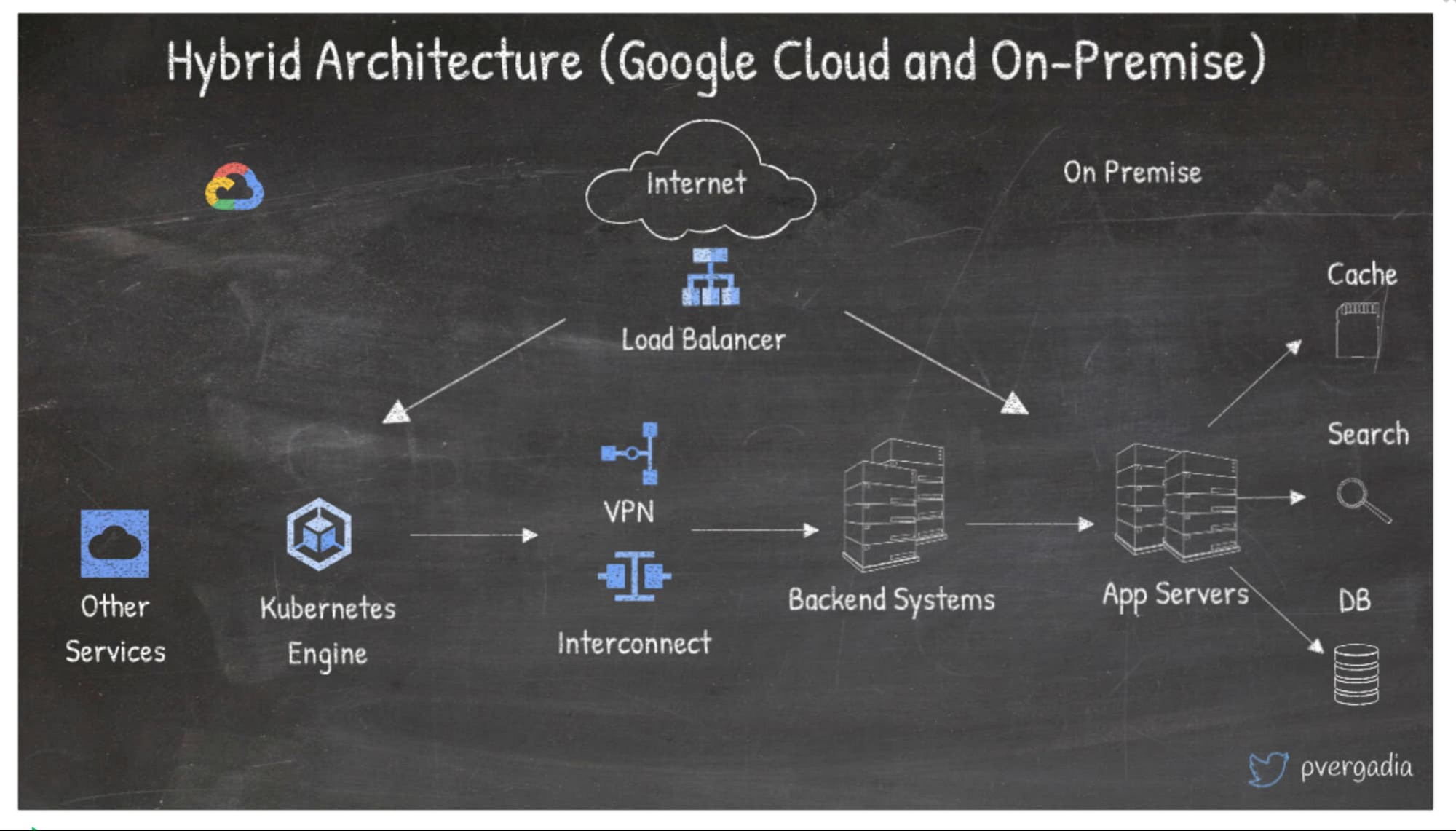
ents—including front-end platforms, back-end servers, and databases—to create scalable, secure, and resilient applications over the internet.
rking components—including front-end platforms, back-end servers, and databases—to create scalable, secure, and resilient applications over the internet.
uding front-end platforms, back-end servers, and databases—to create scalable, secure, and resilient applications over the internet. Offers virtualized computing resources like servers, storage, and networking on a pay-as-you-go basis.
Cloud Application Architecture:
- Front-end Platform:
- The user interface, such as web browsers or mobile apps, that allows users to interact with the system.
- Back-end System:
- The infrastructure that stores and manages data, including servers, storage systems, and application logic.
- Networking:
- The mechanism connecting the front-end and back-end, facilitating communication.
- Cloud-based Delivery:
- The service models—IaaS, PaaS, and SaaS—that define the management responsibility, from infrastructure to software
Cloud application arc
Cloud application architecture is the strategic design and arrangement of software, hardware, and networking components—including front-end platforms, back-end servers, and databases—to create scalable, secure, and resilient applications over the internet.
hitecture is the strategic design and arrangement of software, hardware, and netwo
Cloud application architecture is the strategic design and arrangement of software, hardware, and networking components—including front-end platforms, back-end servers, and databases—to create scalable, secure, and resilient applications over the internet.
rking components—including front-end platforms, back-end servers, and databases—to create scalable, secure, and resilient applications over the internet.
Super
ReplyDeleteNice 🙂
ReplyDeleteGood 👍
ReplyDeleteEasy to learn
ReplyDeleteGood understanding 🤗
ReplyDeleteExcellent 👍🏻
ReplyDeleteExcellent
ReplyDeleteGood job
ReplyDelete